Diabetic Eye Care Checklist
Key steps to protect vision and reduce the risk of diabetic retinopathy.
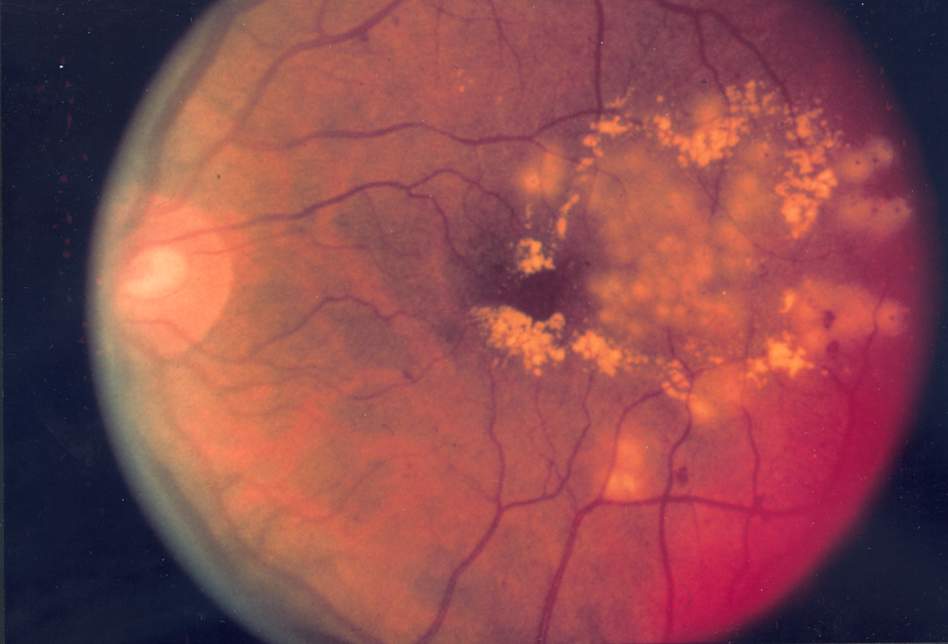
Why screening matters
Diabetic retinopathy is a common complication of diabetes and can cause vision loss without early symptoms. Routine screening is essential to catch changes before they affect vision.
Early diabetic retinopathy often has no symptoms. Later symptoms may include blurred vision or floating spots in your vision. Do not wait for symptoms to schedule screening.
Most adults with diabetes should have a comprehensive dilated eye exam at least once a year. Your doctor may recommend more frequent visits if retinopathy is present.
Manage systemic risk factors
Blood sugar, blood pressure, and cholesterol control all lower the risk of retinopathy progression. Avoiding smoking and staying physically active are also important.
Treatment options
Treatment may include laser therapy, injectable medications (anti-VEGF), or surgery depending on severity. Early treatment can prevent or slow vision loss.
Schedule a diabetic eye evaluation
Image Credit
- Fundus photo showing focal laser surgery for diabetic retinopathy (National Eye Institute, public domain)
