What to Expect from Retina Surgery
An overview of preparation, surgical day flow, and recovery expectations.
Before surgery
Your team will review imaging, discuss anesthesia options, and provide instructions on medications and fasting. Most vitrectomy procedures are outpatient, so you will need a driver to take you home.
Many retina procedures are performed with local anesthesia and sedation. The surgical plan depends on the diagnosis and your surgeon’s recommendations.
During surgery (vitrectomy overview)
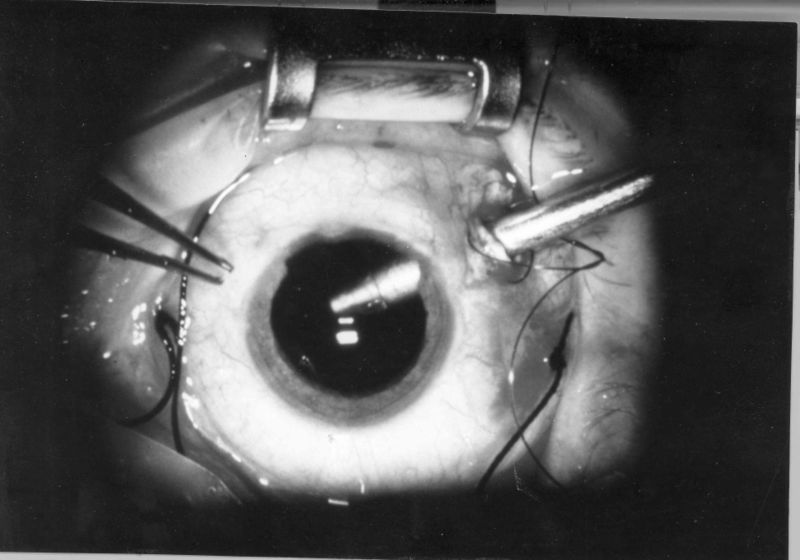
Vitrectomy is a common retina surgery in which the vitreous gel is removed through small openings in the eye. The instruments enter through the pars plana, and the surgeon may use laser treatment, remove scar tissue, or place a gas bubble to support healing depending on the diagnosis.
- Most procedures use local anesthesia with sedation; general anesthesia is less common.
- Surgical time varies by diagnosis and complexity.
- You may leave with an eye patch or shield in place.
Recovery and follow-up
Postoperative care may include eye drops, activity restrictions, and positioning instructions if a gas bubble was used. Your retina specialist will monitor healing with follow-up visits and imaging.
If a gas bubble is placed, you must avoid air travel, significant elevation changes, and certain types of anesthesia until the bubble resolves. Your surgeon will give exact timing and safety guidance.
Schedule a surgical consultation
Image Credit
- Vitrectomie (CC BY-SA 3.0)
